
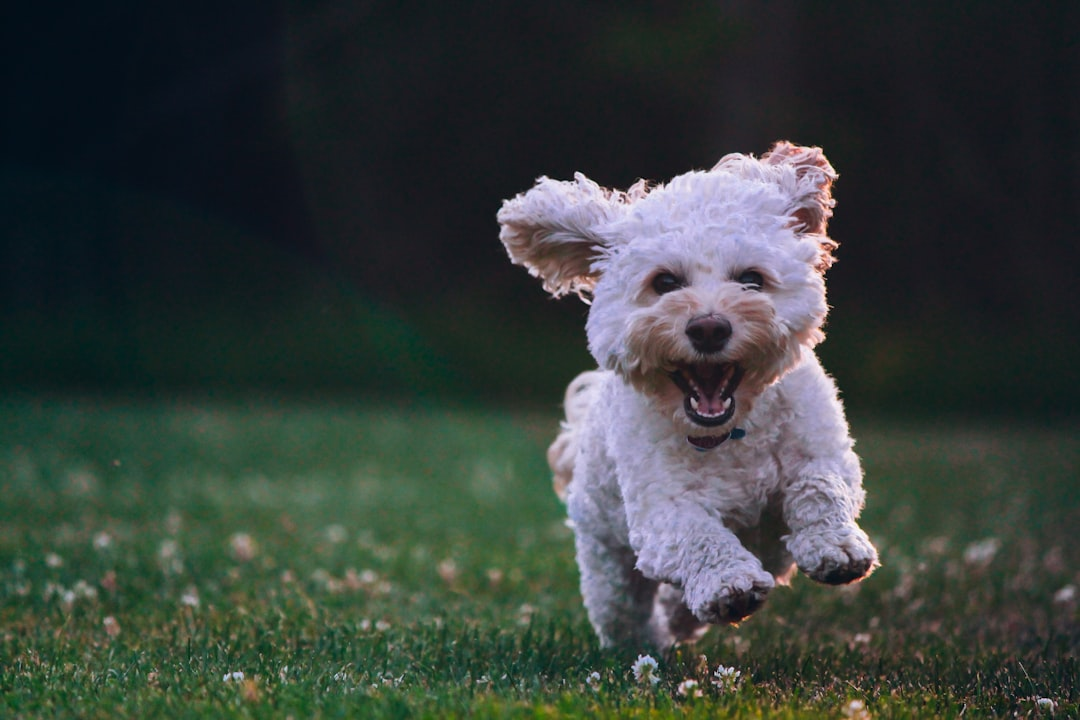
The cranial cruciate ligament CCL tear in dogs is a prevalent injury that can significantly impact their mobility and quality of life. Understanding the nuances of this condition, including its causes, treatment options, and management strategies, is essential for any dog owner. This blog delves into the intricacies of CCL tears, offering insights on how to effectively support your dog through this challenging time.
What is the CCL?
The cranial cruciate ligament (CCL) is a crucial component of a dog’s knee joint, providing stability and facilitating movement. It connects the femur (thigh bone) to the tibia (shin bone), preventing excessive movement and ensuring the proper function of the knee during activities like walking, running, and jumping. When a CCL tear occurs, it can lead to significant pain, lameness, and long-term joint issues, making it one of the most common orthopedic injuries in dogs.
Causes of CCL Tear in Dogs
CCL tears can be attributed to various factors, both acute and chronic. While some injuries may result from sudden trauma, such as a fall or a misstep during play, many CCL tears stem from long-term degeneration of the ligament. This degeneration is often exacerbated by factors such as:
- Age: Older dogs are more susceptible to CCL tears due to the natural wear and tear on their ligaments.
- Obesity: Excess weight places additional stress on the knee joints, increasing the likelihood of injury.
- Genetics: Certain breeds, including Rottweilers, Labradors, and Newfoundlands, are predisposed to CCL injuries.
- Activity Level: Dogs that engage in high-impact activities without proper conditioning are at greater risk.
Signs and Symptoms of a CCL Tear
Recognizing the signs of a CCL tear is crucial for timely intervention. Common symptoms include:
- Sudden lameness: This may manifest as an inability to bear weight on the affected leg or toe-touching.
- Swelling: The knee may appear swollen due to inflammation and fluid accumulation.
- Abnormal sitting posture: Dogs may sit with their legs extended to the side instead of underneath them.
- Decreased activity: Affected dogs may show reluctance to engage in play or exercise.
Diagnosis of CCL Tears
Diagnosing a CCL tear typically involves a thorough physical examination by a veterinarian. The vet will perform specific tests, such as the drawer test, to assess the stability of the knee joint. Imaging techniques like X-rays may also be utilized to rule out other conditions and evaluate the extent of the injury.
Treatment Options for CCL Tear in Dogs
Once a CCL tear is diagnosed, treatment options can be categorized into surgical and non-surgical approaches. The choice of treatment largely depends on the severity of the tear, the dog’s age and overall health, and the owner’s preferences.
Surgical Treatment
Surgery is often recommended for dogs with complete CCL tears or those with significant instability in the knee joint. Common surgical procedures include:
- Tibial Plateau Leveling Osteotomy (TPLO): This procedure involves altering the angle of the tibial plateau to provide stability without relying on the CCL.
- Tibial Tuberosity Advancement (TTA): Similar to TPLO, this technique modifies the biomechanics of the knee joint to stabilize it.
- Extracapsular Stabilization: This method uses sutures to mimic the function of the CCL and stabilize the joint.
While surgery can yield excellent outcomes, it is essential to understand the recovery process and follow post-operative care instructions diligently.
Non-Surgical Treatment
For dogs with partial tears or those that may not be suitable candidates for surgery, non-surgical management can be effective. This approach may include:
- Activity modification: Limiting high-impact activities and providing controlled exercise to prevent further injury.
- Weight management: Maintaining a healthy weight to reduce stress on the knee joint.
- Physical therapy: Engaging in rehabilitation exercises to strengthen the muscles around the knee and improve range of motion.
- Medications: Non-steroidal anti-inflammatory drugs (NSAIDs) can help manage pain and inflammation.
- Joint supplements: Nutraceuticals can support joint health and may help slow the progression of arthritis.
Homeopathic Support for CCL Tears
In addition to conventional treatments, some pet owners may explore homeopathic remedies to support their dog’s recovery. Remedies such as arnica and aconite can be administered during the acute phase of injury to help manage pain and inflammation. Additionally, combining these remedies with specific formulations, like the “Jump for Joints” formula, can provide further support.
Rehabilitation and Recovery
Whether your dog undergoes surgery or receives a conservative treatment plan, rehabilitation is crucial for a successful recovery. Engaging in physical therapy, hydrotherapy, and low-impact exercises can help your dog regain strength and mobility. It’s essential to follow your veterinarian’s recommendations for rehabilitation to ensure the best possible outcome.
Preventing Future CCL Injuries
Preventing CCL tears involves proactive measures to promote overall joint health and minimize risk factors. Some strategies include:
- Regular exercise: Keeping your dog active with low-impact activities helps maintain a healthy weight and muscle tone.
- Joint supplements: Providing joint support through nutritional supplements can help protect the ligaments and joints.
- Routine veterinary check-ups: Regular examinations can help detect underlying health issues that may contribute to ligament degeneration.
Conclusion
A CCL tear in dogs can be a challenging condition, but with proper understanding and management, many dogs can return to their active lives. Whether you choose surgical intervention or a conservative approach, the key is to work closely with your veterinarian to determine the best course of action for your furry friend. By implementing preventive measures and providing ongoing support, you can help your dog maintain a healthy and happy lifestyle.





Leave a Reply