
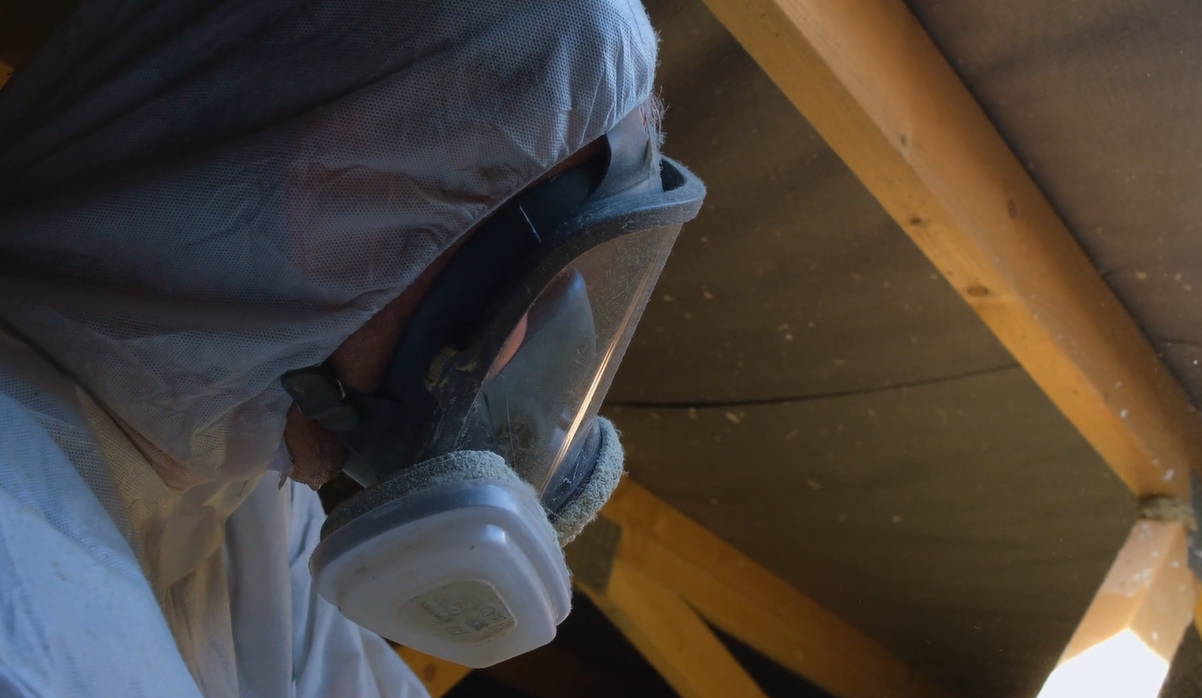
Asbestos removal in Adelaide is a critical service due to the potential health risks associated with asbestos exposure. Buildings constructed before the year 2000 often contain asbestos, which can pose serious health risks if disturbed. This blog will explore the detailed process of asbestos removal Adelaide, the importance of proper handling, and the regulations that govern these operations.
What is Asbestos and Why Is It Dangerous?
Asbestos is a naturally occurring mineral that was widely used in construction for its insulating properties and fire resistance. However, it is classified as a Class 1 carcinogen, meaning it can cause cancer and other serious health issues when its fibers are inhaled. The symptoms of asbestos-related diseases often do not appear until many years after exposure, making the proper handling and removal of asbestos crucial.
The Importance of Professional Asbestos Removal
Asbestos removal should only be conducted by licensed professionals. In Adelaide, companies like Connell Brothers Ltd have the necessary expertise and equipment to manage asbestos safely. They hold a three-year asbestos removal license issued by the Health & Safety Executive, ensuring compliance with all relevant regulations.
Asbestos Removal Regulations
The removal of asbestos is governed by strict regulations to protect workers and the public. Before any demolition or renovation work begins, a demolition asbestos survey must be conducted by qualified surveyors. This survey aims to identify all asbestos-containing materials, although it may not always uncover all hidden materials within the building’s structure.
The Asbestos Removal Process
The process of asbestos removal involves several critical steps to ensure safety and compliance with regulations. Below, we break down the procedure into manageable components:
1. Initial Survey
A comprehensive asbestos survey is the first step. This survey helps identify potential asbestos-containing materials (ACMs) in the building. However, it’s important to note that some ACMs may only be discovered during demolition.
2. Establishing an Enclosure
Before removal begins, an airtight enclosure is constructed around the identified asbestos materials. This is typically done using timber and heavy-duty polythene sheeting. The enclosure is maintained under negative pressure to prevent asbestos fibers from escaping into the surrounding environment.
3. Decontamination Unit Setup
A self-contained decontamination unit is installed on-site for the safety of the workers. Asbestos removal operatives must change into personal protective equipment (PPE), which includes powered respirators and coveralls, before entering the work area.
4. Controlled Access
Access to the enclosure is controlled using a three-stage airlock system. This system ensures that any potential asbestos fibers are contained within the work area, minimizing exposure to workers and the public.
5. Removal of Asbestos
During the removal process, every effort is made to extract asbestos materials in whole pieces whenever possible. For example, ceiling tiles are unscrewed and removed intact, placed into sealed asbestos bags to prevent breakage. Minimizing breakage is crucial, as it limits the release of airborne fibers.
6. Waste Handling
All asbestos waste is carefully managed. After removal, the waste bags are sealed and transported directly to designated asbestos disposal areas. This ensures that no asbestos fibers escape into the environment during the cleanup process.
7. Site Cleanup
Once the removal is complete, the enclosure is thoroughly cleaned. A supervisor inspects the area to confirm that all dust and debris have been removed. This step is vital to ensure that no residual asbestos remains.
8. Clearance Testing
After cleanup, an independent accredited analyst conducts a four-stage clearance test. This testing is crucial to confirm that the area is safe for reoccupation and that all asbestos has been effectively removed. Only after passing this test will a certificate of reoccupation be issued.
Why Choose Connell Brothers Ltd for Asbestos Removal in Adelaide?
Connell Brothers Ltd offers a seamless integration of asbestos removal with broader demolition projects. By managing both processes, they reduce the risk of delays and complications that can arise from relying on third-party contractors. Their in-house expertise and equipment mean that they can adapt quickly to any unexpected findings of ACMs during demolition.
Conclusion
Asbestos removal is a specialized process that requires careful planning, execution, and compliance with safety regulations. In Adelaide, choosing a reputable contractor like Connell Brothers Ltd ensures that the removal process is handled efficiently and safely, protecting both workers and the public. If you suspect your property contains asbestos, it’s essential to consult with professionals who can guide you through the removal process and ensure a safe environment.
For expert asbestos removal in Adelaide, contact Connell Brothers Ltd today and ensure your property is safe from the risks associated with asbestos exposure.





Leave a Reply