
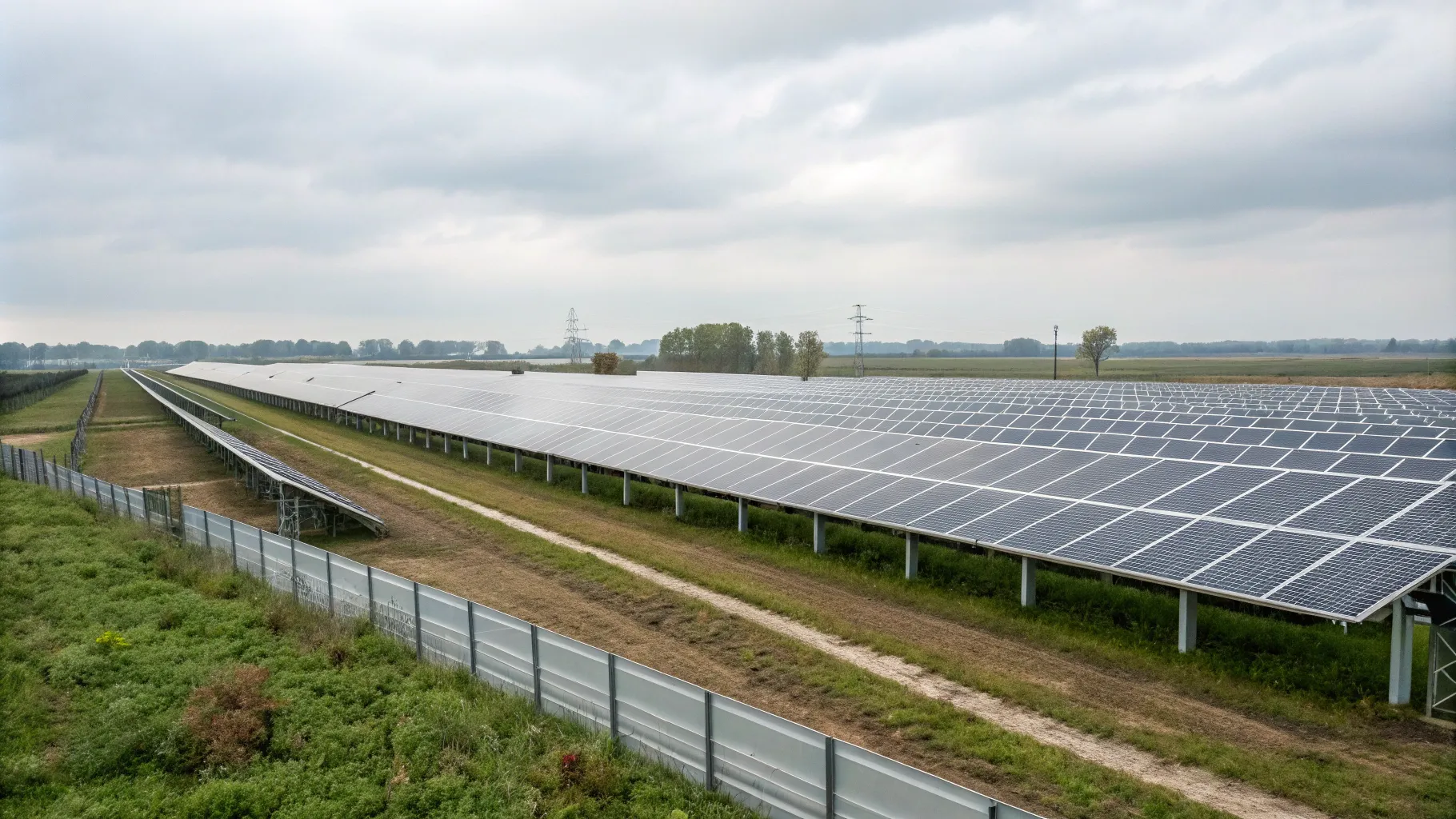
When it comes to commercial solar panels, understanding their costs is crucial for businesses looking to harness renewable energy. The cost of commercial solar panels can vary widely based on several factors, but a solid benchmark can help guide your investment decisions.
The National Renewable Energy Laboratory (NREL) defines a commercial solar system as any installation ranging from 100 kilowatts (KW) to 2 megawatts (MW). This means that the size of your solar system significantly impacts the overall cost. Typically, larger systems tend to have a lower cost per watt due to economies of scale. On average, NREL estimates the cost per watt for commercial solar systems to be around $1.56, while the Solar Energy Industries Association (SEIA) estimates it at $1.45 per watt.
Factors Affecting the Cost of Commercial Solar Panels
While the average cost per watt gives a good starting point, several factors can influence both the upfront and lifetime costs of commercial solar systems:
- System Size: As mentioned earlier, the size of the solar installation plays a significant role in determining costs. A 2 MW system will generally cost more than a 100 KW system, but the cost per watt may be lower for the larger system.
- Type of System: Whether you purchase the system outright, enter a Power Purchase Agreement (PPA), or opt for a solar lease will affect overall costs. In a PPA, an investor buys the system for you, and you pay for the electricity generated.
- Location: The geographical location impacts installation costs due to labor rates and local regulations. Some areas may have higher installation costs than others.
- Roof Orientation and Type: The orientation of your roof and the materials used can affect installation complexity and costs. Certain roof types may require additional structural support.
- Insurance Costs: Securing insurance for your commercial solar system adds to the overall cost. Property and liability insurance are important considerations.
- Module Efficiency: Different solar modules have varying efficiencies and costs. Higher efficiency panels tend to be more expensive but may provide better returns over time.
Investment Tax Credits and Depreciation Benefits
One of the key advantages for business owners considering commercial solar panels is the potential for tax benefits. The Investment Tax Credit (ITC) allows you to deduct a significant percentage of the installation costs from your federal taxes. As of now, the ITC stands at 26%, providing a substantial incentive for companies to invest in solar energy. Additionally, accelerated depreciation can help offset the initial investment, making ownership more appealing.
What to Expect in Terms of ROI
The return on investment (ROI) for commercial solar systems can be quite favorable. By investing in solar, businesses can significantly reduce their electricity bills and lock in energy costs for years to come. The typical payback period for commercial solar investments ranges from three to seven years, depending on various factors such as system size, location, and financing options.
Conclusion
Investing in commercial solar panels can be a strategic move for businesses aiming to reduce energy costs and enhance their sustainability efforts. With average costs ranging from $1.45 to $1.56 per watt, understanding the various factors that influence these costs can help businesses make informed decisions. Don’t forget to consider tax incentives that can further improve ROI.
FAQs about Commercial Solar Panels
What is the average cost of commercial solar panels?
The average cost ranges from $1.45 to $1.56 per watt, depending on various factors including system size and location.
How can I finance a commercial solar system?
Financing options include outright purchases, solar loans, Power Purchase Agreements (PPAs), and solar leases.
What tax incentives are available for commercial solar installations?
The Investment Tax Credit (ITC) allows businesses to deduct 26% of the installation costs from federal taxes, along with accelerated depreciation benefits.
How long does it take to see a return on investment?
The payback period typically ranges from three to seven years, depending on the specifics of your solar installation.
Are there ongoing maintenance costs for solar panels?
Yes, maintenance costs can arise, including cleaning and potential repairs, but solar panels generally require minimal upkeep.





Leave a Reply